Paediatrics
Comprehensive care for children's ENT conditions
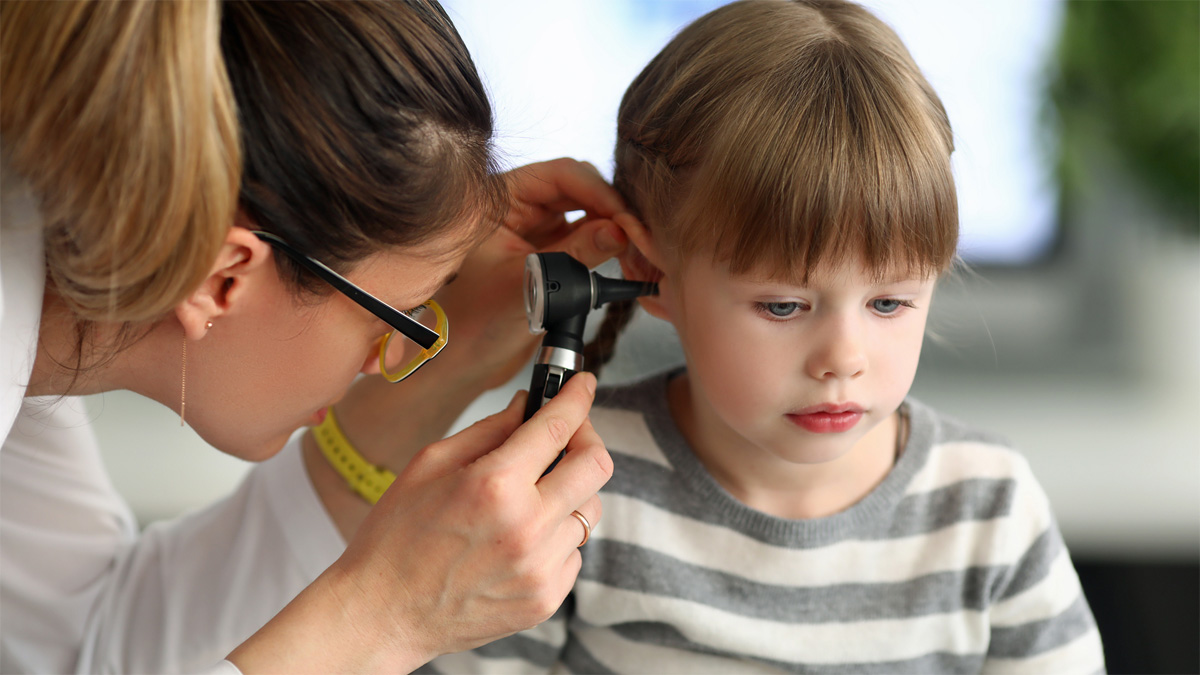
Comprehensive care for children's ENT conditions
Early identification and management of hearing loss in children is essential for normal speech, language, learning, and social development. Paediatric hearing loss is not uncommon and, when detected early, many children can achieve excellent long-term outcomes with appropriate treatment and support.
Hearing Loss
Early identification and management of hearing loss in children is essential for normal speech, language, learning, and social development. Paediatric hearing loss is not uncommon and, when detected early, many children can achieve excellent long-term outcomes with appropriate treatment and support.
What is Paediatric Hearing Loss?
Paediatric hearing loss refers to a partial or complete reduction in hearing in infants, children, or adolescents. It may be present at birth (congenital) or develop later in childhood (acquired). Hearing loss can affect one ear or both ears and may be temporary or permanent.
Even mild or fluctuating hearing loss can impact a child’s speech development, behaviour, and school performance, making early assessment important.
Types of Hearing Loss
Conductive Hearing Loss
Occurs when sound is unable to pass efficiently through the outer or middle ear. This is the most common type of hearing loss in children and is often temporary. Causes include middle ear fluid (glue ear), ear infections, or blockage of the ear canal.
Sensorineural Hearing Loss
Results from damage to the inner ear or auditory nerve. This type of hearing loss is usually permanent and may be present from birth or develop later due to genetic factors, infections, or prematurity.
Mixed Hearing Loss
A combination of conductive and sensorineural hearing loss.
Common Causes of Hearing Loss in Children
- Middle ear effusion (glue ear)
- Recurrent ear infections
- Genetic or inherited conditions
- Premature birth or low birth weight
- Congenital infections (such as cytomegalovirus)
Signs and Symptoms
Signs of hearing loss vary with age and severity. Parents and caregivers may notice:
- Delayed or unclear speech development
- Poor response to sounds or calling their name
- Frequently asking for repetition or saying "what?"
- Turning the television or devices up loud
- Difficulty following instructions
- Behavioural or attention concerns at school
In infants, signs may include lack of startle to loud sounds or delayed babbling.
Assessment and Diagnosis
Assessment of paediatric hearing loss involves a thorough clinical evaluation and hearing testing appropriate to the child’s age. This may include:
- Age-appropriate audiological testing
- Examination of the ears and eardrums
- Tympanometry to assess middle ear function
- Review of newborn hearing screening results
Early referral and assessment are critical, particularly for infants and young children.
Treatment and Management
Treatment depends on the type and cause of hearing loss and may include:
- Monitoring
- Treatment of ear infections
- Grommet (ventilation tube) insertion
- Hearing aids or assistive listening devices
- Cochlear implant assessment for severe hearing loss
- Coordination with audiologists, speech pathologists, and educators
Management is tailored to each child to support hearing, communication, and overall development.
When to See an ENT Surgeon
Referral to an ENT surgeon is recommended if a child has:
- Persistent or recurrent ear infections
- Ongoing middle ear fluid with hearing loss
- Confirmed or suspected permanent hearing loss
- Speech or developmental delay related to hearing
Our Approach
We provide comprehensive, child-focused assessment and management of paediatric hearing loss, working closely with families and allied health professionals. Our goal is to optimise hearing and support each child’s communication, learning, and quality of life.
Sleep Disordered Breathing
Sleep Disordered Breathing (SDB) refers to a group of conditions in which airflow is reduced or blocked during sleep. These disorders can significantly affect sleep quality, overall health, and daily functioning. As an ENT (Ear, Nose & Throat) specialist, we focus on identifying and treating the anatomical causes of breathing problems during sleep.
What Is Sleep Disordered Breathing?
Sleep Disordered Breathing includes a spectrum of conditions ranging from simple snoring to more serious disorders such as Obstructive Sleep Apnea (OSA). These conditions occur when the upper airway becomes partially or completely blocked during sleep, leading to disrupted breathing, poor oxygen levels and frequent awakening.
Common Symptoms
Sleep disordered breathing often goes undiagnosed because symptoms occur during sleep. Common signs include:
- Loud snoring
- Pauses in breathing, choking, or gasping during sleep
- Restless and sweaty sleep
- Poor concentration or memory problems
- Hyperactivity and behavioural difficulties
- Tiredness
What causes sleep disordered breathing in children?
For an otherwise healthy child, sleep disordered breathing is caused by enlargement of the tonsils and adenoids. The adenoids lie at the back of the nose and can lead to obstruction of nasal airflow whilst the tonsils are at the back of the throat and cause collapse of the upper airway.
Other contributing factors include other causes of nasal obstruction such as hay fever, facial anatomy and elevated weight for age.
Evaluation and Diagnosis
Your assessment may include:
- A detailed medical and sleep history
- Nasal and throat examination
- Flexible nasendoscopy (airway examination using a camera)
- Possible referral for a sleep study (polysomnography or home sleep testing)
This comprehensive approach allows us to determine both the severity and cause of your sleep disordered breathing.
Treatment Options
Treatment is tailored to each patient and may include:
- Close monitoring
- Nasal sprays or allergy management
- Tonsillectomy or adenoidectomy
Cutting-edge ENT care with a focus on patient outcomes
Our specialists bring a wealth of ENT experience to the Shire. Our commitment to surgical excellence ensures every patient is provided with the best treatment options for their condition.