Sleep and Snoring
Assessment and management of sleep disordered breathing and obstructive sleep apnoea
Assessment and management of sleep disordered breathing and obstructive sleep apnoea
Obstructive sleep apnoea (OSA) is a common sleep disorder caused by repeated collapse of the upper airway during sleep. This leads to disrupted breathing, poor-quality sleep, and reduced oxygen levels, with significant effects on daytime functioning and long-term health.
Obstructive Sleep Apnoea
Obstructive sleep apnoea (OSA) is a common sleep disorder caused by repeated collapse of the upper airway during sleep. This leads to disrupted breathing, poor-quality sleep, and reduced oxygen levels, with significant effects on daytime functioning and long-term health.
What is Obstructive Sleep Apnoea?
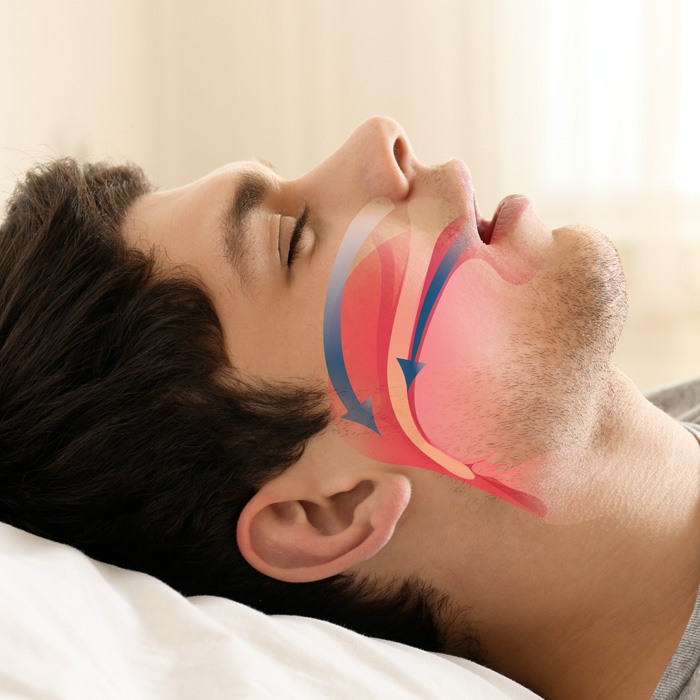
OSA occurs when the muscles of the throat relax during sleep, allowing the airway to narrow or collapse. This causes repeated pauses in breathing (apnoeas) or shallow breathing (hypopnoeas), often followed by brief arousals from sleep.
Common Symptoms
Night-time symptoms
- Loud, habitual snoring
- Witnessed pauses in breathing
- Gasping or choking during sleep
- Restless or unrefreshing sleep
Daytime symptoms
- Excessive daytime sleepiness
- Morning headaches
- Poor concentration or memory
- Irritability or mood changes
- Reduced work or driving performance
Why OSA Matters
Untreated obstructive sleep apnoea is associated with increased risk of:
- High blood pressure
- Heart disease and stroke
- Type 2 diabetes
- Workplace and motor vehicle accidents
- Reduced quality of life
Causes and Risk Factors
OSA often results from a combination of anatomical and lifestyle factors, including:
- Narrow upper airway anatomy
- Enlarged tonsils or adenoids
- Obesity
- Alcohol use and smoking
- Nasal obstruction
Assessment and Diagnosis
Assessment involves a detailed history and ENT examination to identify sites of airway obstruction.
ENT Evaluation
Examination of the nose, palate, tonsils, tongue, and jaw. Flexible nasendoscopy is used to evaluate the collapsibility of the throat and the potential sites of obstruction.
Sleep Studies
A formal sleep study (polysomnography or home sleep study) is required to confirm the diagnosis and determine severity.
Treatment Options
Management of OSA is individualised and depends on severity, anatomy, and patient preference.
Lifestyle and Medical Management
- Continuous Positive Airway Pressure (CPAP), the gold-standard treatment for moderate to severe OSA
- Weight management
- Reducing alcohol intake
- Treatment of nasal obstruction
Oral Appliances
Custom-fitted mandibular advancement splints may be suitable for selected patients with mild to moderate OSA.
Surgical Management
Surgery may be considered when anatomical obstruction is identified or when CPAP is poorly tolerated. Procedures may target:
- Nasal obstruction
- Enlarged tonsils
- Soft palate
- Base of tongue
When to See an ENT Surgeon
Referral to an ENT surgeon is recommended if:
- CPAP is not tolerated
- There is significant nasal obstruction impeding the use of CPAP
Cutting-edge ENT care with a focus on patient outcomes
Our specialists bring a wealth of ENT experience to the Shire. Our commitment to surgical excellence ensures every patient is provided with the best treatment options for their condition.