Nose and Sinus Conditions
Specialised diagnosis and surgery for nasal congestion
Specialised diagnosis and surgery for nasal congestion
We offer comprehensive assessment and surgical management for a wide range of nose and sinus conditions. By combining minimally invasive surgical techniques with a patient centred approach, we strive to provide our patients with excellent outcomes to improve their quality of life.
Nasal congestion
A blocked nose can be more than just an annoying inconvenience—it can affect your sleep, your energy levels, and your overall quality of life. Whether it's caused by a cold, allergies, or an underlying structural issue, nasal obstruction can make it hard to breathe comfortably. As an ENT (Ear, Nose, and Throat) specialist, we help you identify the cause of your blocked nose and recommend the most effective treatments.
What Is Nasal Obstruction?
A blocked nose, or nasal obstruction, occurs when there's a blockage or narrowing in the nasal passages, making it difficult to breathe through your nose. This can be caused by a variety of factors, ranging from temporary issues like a cold or allergies to more persistent conditions like deviated septum or chronic sinusitis.
Common Causes of a Blocked Nose
- Allergic Rhinitis (Hay Fever): Allergies to pollen, dust, mould, or pet dander can cause nasal congestion and sneezing.
- Deviated Septum: A structural abnormality in the nasal septum that can obstruct airflow in one or both nasal passages.
- Sinusitis: Inflammation of the sinuses can cause congestion, facial pressure, and difficulty breathing.
- Nasal Polyps: Non-cancerous growths that develop in the lining of the nasal passages or sinuses and can block airflow.
- Enlarged Turbinates: Swelling of the nasal turbinates (structures inside the nose) that can narrow the nasal airways.
- Chronic Rhinitis: Long-term inflammation of the nasal passages often due to environmental irritants, allergies, or chemical exposure.
Symptoms of a Blocked Nose
Nasal obstruction can present with a range of symptoms, including:
- Difficulty breathing through one or both nostrils
- Constant nasal congestion
- Snoring, especially at night
- Loss of smell or taste
- Headaches or facial pain
- Post-nasal drip (feeling of mucus dripping down the back of your throat)
- Sinus pressure or pain around the eyes, cheeks, or forehead
- Mouth breathing, especially during sleep
- Frequent sinus infections or colds
Why Nasal Obstruction Matters
While a blocked nose can be uncomfortable, it can also impact your overall health. Some of the potential complications include:
- Sleep Disruption: Difficulty breathing through the nose can lead to poor sleep quality or snoring.
- Increased Risk of Snoring and Sleep Apnoea: A blocked nose can contribute to obstructive sleep apnoea and other sleep disorders.
- Reduced Quality of Life: Persistent nasal obstruction can affect your ability to concentrate, work, and engage in daily activities.
Deviated Septum
A deviated septum is one of the most common causes of nasal congestion or blocked nose.
What is a Deviated Septum?
The nasal septum is the thin wall of cartilage and bone that separates the two nasal passages. In many people, this septum is slightly off-centre, but when the deviation is significant, it can obstruct airflow and leading to difficulty breathing through the nose.
Causes
A deviated septum can occur due to:
- Natural variation during growth and development
- Injury to the nose (e.g. sports, accidents)
- Congenital asymmetry (present from birth)
Treatment options
For mild symptoms, treatment may include:
- Nasal Decongestants: Over the counter or prescription medications to reduce nasal swelling and improve airflow.
- Saline Nasal Sprays: These help rinse out mucus and allergens from the nasal passages and relieve congestion.
- Antihistamines: If allergies are the cause, antihistamines can reduce inflammation and relieve symptoms.
- Nasal Steroid Sprays: These can reduce inflammation in the nasal passages, especially for conditions like allergic rhinitis.
If conservative treatments don't provide relief, surgery may be necessary to correct structural issues. Surgical options include:
- Septoplasty: Surgical correction of a deviated septum.
- Inferior turbinate Reduction: Commonly performed in association with a septoplasty to reduce the size of the turbinate by removing part of the bone and thickened lining.
Sinusitis
Chronic rhinosinusitis is a condition where the sinuses become persistently inflamed for 12 weeks or longer. This prolonged inflammation leads to a variety of uncomfortable symptoms and can interfere with your daily life. Sinuses are air-filled spaces in the skull around the nose and when these sinuses become blocked or infected, it can lead to congestion, pain and difficulty breathing through the nose.
Symptoms of Chronic Rhinosinusitis
Chronic rhinosinusitis presents with a wide variety of symptoms that can affect both your nose and your overall well-being. Common symptoms include:
- Persistent Nasal Congestion: Difficulty breathing through the nose.
- Facial Pressure and Pain: A feeling of fullness or pressure around the eyes, cheeks, forehead, or upper teeth.
- Headaches: A constant headache or facial pain that worsens with certain movements or changes in position.
- Thick Nasal Discharge: Mucus that is yellow or green in colour, often accompanied by post-nasal drip (mucus dripping down the back of your throat).
- Reduced Sense of Smell and Taste: Difficulty smelling or tasting food properly.
- Coughing: Persistent cough, particularly at night.
- Fatigue: Ongoing tiredness or lack of energy due to disrupted sleep and chronic discomfort.
- Bad Breath (Halitosis): Foul-smelling breath due to sinus drainage.
Causes of Chronic Rhinosinusitis
Chronic rhinosinusitis can develop due to an interplay of multiple factors such as:
- Environmental exposures – allergens, pollutants, tobacco smoke
- Allergies
- Dysfunction of the membranes lining the nasal cavity
- Alterations in the bacteria which normally reside in the nose
Risk Factors for Chronic Rhinosinusitis
Certain factors can increase your likelihood of developing chronic rhinosinusitis, including:
- Allergies to dust, pollen, mould, or pet dander.
- Exposure to environmental irritants like tobacco smoke or pollution.
- A deviated septum or other structural issues in the nasal passages.
- Underlying health conditions such as asthma or cystic fibrosis.
Diagnosis of Chronic Rhinosinusitis
If you are experiencing persistent sinus symptoms, a thorough evaluation will be undertaken to determine the cause and best treatment approach. The diagnostic process may include:
- Physical Exam and Medical History: A comprehensive exam to review your symptoms and medical background.
- Nasal Endoscopy: A flexible scope is used to examine the inside of your nose and sinuses, helping us detect any obstructions, nasal polyps, or other issues.
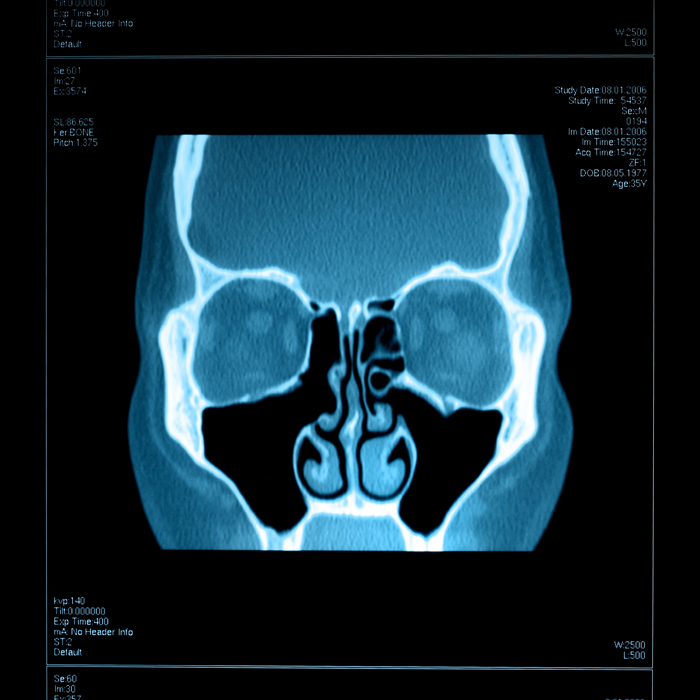
- Imaging: A CT scan of the sinuses can provide a detailed view of your sinus anatomy, revealing inflammation, infection, or structural issues.
- Allergy Testing: If allergies are suspected, we may conduct allergy tests to identify potential triggers.
- Sinus Culture: In cases of suspected bacterial infection, we may take a sample of your nasal discharge to identify the underlying pathogen.
Treatment Options for Chronic Rhinosinusitis
Treatment options may include:
Non-Surgical Treatments
- Nasal Steroid Sprays: Prescription nasal sprays reduce inflammation in the sinuses and help to clear mucus.
- Oral steroid medication: Reduces the inflammatory reaction which underlies most cases of chronic rhinosinusitis.
- Saline Irrigation: Rinsing the nasal passages with a saline solution can help flush out mucus, allergens, and irritants.
- Antibiotics: If a bacterial infection is suspected, a course of antibiotics may be prescribed.
- Antihistamines: For patients with allergy-related chronic rhinosinusitis, antihistamines can help control allergic reactions and reduce sinus swelling.
Surgical Treatments
If medical treatments do not provide sufficient relief, surgical intervention may be required.
Functional Endoscopic Sinus Surgery (FESS) is a minimally invasive surgery that involves using an endoscope to clear blocked sinuses, remove polyps, or correct anatomical issues like a deviated septum. This immediately improves nasal airflow and allows for medicated nasal irrigations to reach all the lining of the nose reducing the inflammatory reaction which drives chronic rhinosinusitis.
Cutting-edge ENT care with a focus on patient outcomes
Our specialists bring a wealth of ENT experience to the Shire. Our commitment to surgical excellence ensures every patient is provided with the best treatment options for their condition.